

 See My Latest Article on HelloNation
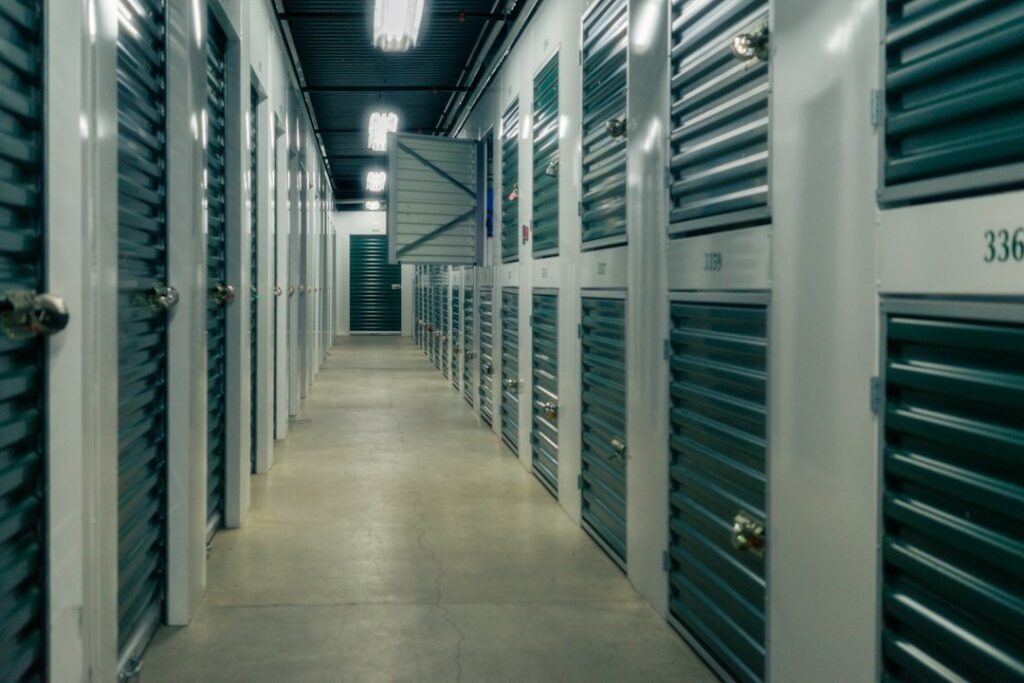
How long can you rent a self storage unit?
In Canandaigua, NY, a self storage unit can usually be rented for as little as one month or for several years. Most agreements are month-to-month, although some facilities may offer longer fixed terms or require an initial minimum rental period.
There is generally no universal maximum length of time that a person may keep a storage unit. The rental continues as long as the agreement remains active, payments are made on time, and the occupant follows the facility’s rules.
The exact terms depend on the written rental agreement. Before moving belongings into a unit, review:
- The rental period and renewal terms
- The required notice for moving out
- How rent is paid and when it is due
- Rules regarding rate changes
- Late fees and other charges
- Insurance or protection requirements
- Restrictions on stored items
- Procedures for updating contact information
Are storage units usually rented month-to-month?
Yes. Month-to-month agreements are common because they give renters flexibility. A household might need storage temporarily during a move, while someone else may keep a unit for years because of limited space at home.
A month-to-month arrangement normally renews automatically at the beginning of each new rental period unless the renter gives proper notice or the agreement ends for another reason. The rental period may not always match the calendar month. For example, a unit rented on the 18th may renew every month on the 18th, depending on the contract.
This matters when planning a move-out. Giving notice on the day belongings are removed may not end the rental immediately. Some agreements require written notice a certain number of days before the next billing date.
Can you rent a unit for only one month?
Often, yes, but the rental agreement controls. Some facilities permit a one-month rental with no long-term commitment. Others may charge an administrative fee, require a minimum period, or apply different terms to promotional pricing.
A one-month rental can work for situations such as:
- Temporary furniture storage during a home project
- A short gap between residences
- Holding household items during a relocation
- Storing seasonal equipment
- Keeping belongings while a family member is away
- Managing an estate or household transition
The total cost for a short rental may include more than one month of base rent. Possible charges include a deposit, lock purchase, administrative fee, required coverage, or prorated rent. Asking for a written list of all initial and move-out charges can prevent surprises.
Is there a minimum rental period?
There may be, but it is not the same everywhere. A facility may require a full month, a set number of days, or another minimum period stated in the agreement.
Minimum terms are especially important for renters who expect to store belongings for only a few weeks. A unit that appears suitable for a brief need may still be billed for the full rental period. The agreement should explain whether unused days are refundable and whether the final month is prorated.
Short-term renters should also confirm the move-out process. Removing everything from the unit does not necessarily cancel the rental. The account may remain open until notice is submitted and the unit is inspected or confirmed empty according to the agreement.
Can you keep a unit for several years?
Yes. Long-term storage is possible if the account remains in good standing and the facility continues to offer the space under its agreement.
Long-term renters should not treat the unit as “set it and forget it.” Over time, several things can change:
- Monthly rates may be adjusted under the agreement
- Payment methods may expire
- Access rules or facility policies may be updated
- Contact information may become outdated
- Stored items may require inspection or maintenance
- Insurance or protection arrangements may need review
A renter who keeps a unit for years should visit periodically, check for moisture or pests, and make sure boxes have not collapsed or shifted. This is particularly useful in a region with cold winters, spring moisture, and seasonal temperature changes. Items placed directly on the floor may be more vulnerable if water enters the unit or condensation develops.
Can a storage facility end the rental?
A facility may be able to end or refuse to renew an agreement under the conditions stated in the contract. Common reasons can include nonpayment, prohibited activity, unsafe storage, damage to the unit, or violation of facility rules.

Nonpayment can create more serious consequences than simply losing access. Under New York’s self-storage lien rules, unpaid charges may lead to a lien process involving notices and, if the legal requirements are met, the sale or other disposition of stored property. The timing and procedure depend on the agreement and applicable law.
Renters should keep payment records and respond quickly to notices. Ignoring letters, emails, or account messages can make it harder to protect personal property. It is also essential to keep a current mailing address, phone number, and email address on file.
Does renting a unit create a landlord-tenant relationship?
Usually, self storage is governed by a storage or occupancy agreement rather than a typical residential lease. A storage unit is not intended to serve as a home, office, sleeping area, or living space.
That distinction affects the renter’s responsibilities. The unit generally cannot be used for:
- Living or sleeping
- Cooking or food preparation
- Running an unapproved business
- Storing hazardous or illegal materials
- Keeping animals
- Connecting unauthorized appliances or utilities
The contract may also limit access hours, visitors, vehicle use, and the types of property that can be stored. Residential tenant rules should not automatically be assumed to apply to a storage unit.
What should you check before signing?
The most useful question is not only, “How long can the unit be rented?” It is also, “How does the rental end, and what can change during the rental?”
Before signing, confirm:
- Whether the agreement is month-to-month or fixed-term
- The first payment and recurring monthly charge
- The due date and late-payment policy
- The notice required to vacate
- Whether rent can increase and how notice is provided
- Whether a deposit or minimum rental applies
- What happens if the unit is abandoned
- Whether coverage for stored belongings is required
- How to update contact information
- What condition the unit must be left in at move-out
Keep a copy of the signed agreement, receipts, notices, and any written communication. A simple folder or digital file can be valuable if billing, notice, or access questions arise later.
For most residents, the practical answer is straightforward: a storage unit may be rented for one month, a season, a year, or much longer. The contract determines the minimum term, renewal process, notice requirements, and consequences of nonpayment. Reviewing those details before storing property makes the rental period easier to manage.