

 See My Latest Article on HelloNation
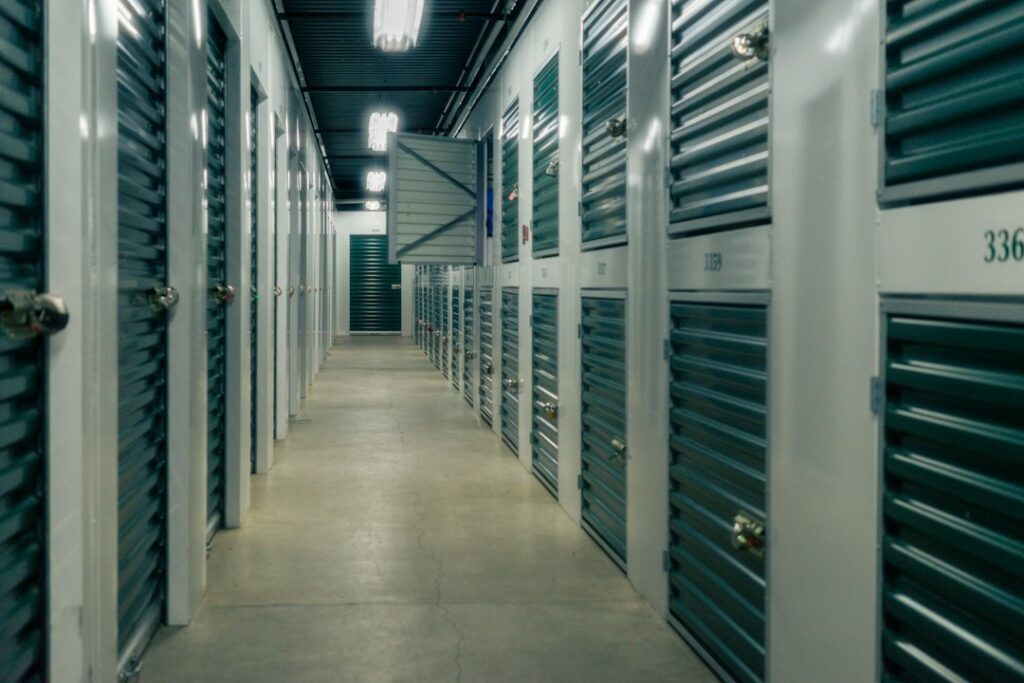
Moving often becomes difficult because too many tasks happen at the same time. Belongings must be packed, rooms need to be cleared, cleaning and repairs may be underway, and the new home may not be ready for everything immediately. A storage unit can create a temporary transition space that makes the move easier to organize.
For residents in Canandaigua, storage can be useful during local moves, downsizing, renovations, seasonal transitions, and changes in housing arrangements. The main benefit is not simply having extra space. It is having more control over the timing, order, and safety of the move.
How does a storage unit make moving easier?
A storage unit separates the moving process into manageable stages. Instead of transporting every possession directly from one home to another, households can move items in phases.
This can help when:
- The closing dates for two homes do not line up
- A new home needs painting, flooring work, or repairs
- A household is moving into a smaller space
- A family member needs temporary room for furniture and boxes
- A home must be cleared before listing, showing, or inspection
- Weather or scheduling delays interrupt the moving plan
Storing nonessential belongings first can also make the current home easier to clean and navigate. Open floors and less crowded rooms reduce tripping hazards and make it simpler to identify what still needs to be packed.
What should be stored first during a move?
The best items to store first are belongings that are useful but not needed every day. Seasonal possessions are often a practical starting point because they can remain packed for several weeks without affecting daily routines.
Examples include:
- Winter clothing during a summer move
- Holiday decorations
- Extra bedding and towels
- Books, artwork, and decorative objects
- Patio furniture and gardening equipment
- Duplicate kitchen items
- Children’s outgrown clothing and toys
- Furniture intended for a future room or home
Packing these items early creates space for the final stages of the move. It also prevents rarely used belongings from being mixed with essentials, which can make unpacking more confusing.
Can storage help when moving between homes on different schedules?
Yes. Timing differences are one of the most common reasons households use temporary storage. A lease may end before a new home is available, or a property transaction may take longer than expected. In those situations, storage provides a place for belongings without forcing every item into a temporary living space.
This can be especially helpful for households staying with relatives or using short-term housing. Instead of placing furniture in hallways, garages, or crowded spare rooms, larger items can remain protected and organized until the permanent move is complete.
A short overlap between homes can also be useful. Moving some boxes and furniture into storage before the final moving day may reduce the number of items being handled at once.
How does storage help with downsizing?
Downsizing requires decisions that are often difficult to make quickly. A storage unit can provide additional time to sort belongings without keeping every item inside the new home.
This does not mean storage should become a permanent substitute for making decisions. It works best as a short-term holding area while household members determine what to keep, donate, sell, pass to relatives, or discard.
A practical sorting system uses clearly marked categories:
- Keep and move now
- Keep but store temporarily
- Give to family or friends
- Donate or sell
- Recycle or dispose of safely
Labeling each box with both its category and general contents makes later decisions easier. It is also wise to set a review date so temporary storage does not become forgotten storage.

What local conditions should Canandaigua residents consider?
Seasonal conditions can affect both the moving schedule and the way belongings should be packed. Cold temperatures, snow, rain, mud, and changing humidity can make loading and unloading more difficult during parts of the year.
For winter or early spring moves, leave extra time for clearing walkways and protecting boxes from wet ground. Use plastic totes or protective wrapping for items that could be damaged by moisture, but avoid sealing damp belongings inside airtight containers. Everything should be clean and completely dry before storage.
Furniture should not be placed directly on a potentially cold or damp floor. Pallets, shelving, or other raised supports can improve airflow and reduce the risk of moisture-related damage. Fabric furniture benefits from breathable covers rather than tightly sealed plastic, which can trap condensation.
Local households may also have seasonal equipment that takes up considerable room, such as snow-removal tools, bicycles, camping supplies, lawn equipment, and outdoor furniture. These items should be packed according to the season and placed where they can be reached without unloading the entire unit.
How should a storage unit be organized during a move?
Organization matters because a unit that is packed without a plan can create the same problems as an overcrowded garage. The most useful approach is to create access paths and place frequently needed items near the front.
Before loading, make a simple layout. Keep heavier boxes low, protect fragile items with padding, and avoid placing heavy furniture on top of cartons that may collapse. Leave a narrow walkway through the unit so boxes at the back can still be reached.
Useful practices include:
- Labeling every box on more than one side
- Keeping an inventory on paper or in a digital note
- Placing furniture pads between large items
- Covering mattresses and upholstered furniture with breathable protection
- Storing important documents in a secure, separate location
- Keeping small hardware in labeled bags attached to the related furniture
- Leaving space around items that may need ventilation
Photographs taken before the unit is fully packed can also help document where belongings are located.
What should not be placed in a storage unit?
Storage units are generally not suitable for hazardous, perishable, illegal, or highly sensitive materials. Prohibited items commonly include fuel, propane, explosives, toxic chemicals, food that can attract pests, and living plants or animals. Rules vary by facility and agreement, so the storage terms should be reviewed before packing.
Do not store irreplaceable documents, valuable jewelry, large amounts of cash, or essential medication unless the arrangement specifically provides appropriate protection and access. Important records are usually better kept in a secure location that can be reached quickly.
Appliances should be clean and dry before storage. Refrigerators and freezers should be defrosted, dried, and left slightly open if permitted. Washing machines should be drained and secured according to their instructions.
Is a storage unit always the most practical choice?
Not necessarily. Storage adds another loading and unloading step, and the cost can become unnecessary if belongings remain stored for a long period. It is most useful when the temporary space solves a clear timing, access, or organization problem.
Before renting, estimate the volume of belongings, expected storage duration, transportation needs, and frequency of access. A smaller unit that is carefully organized may be more practical than a larger unit filled without a plan.
The goal is to use storage as a transition tool: move nonessential belongings out of the way, keep them accessible and protected, and bring them into the new home when the space and timing are ready.