

 See My Latest Article on HelloNation
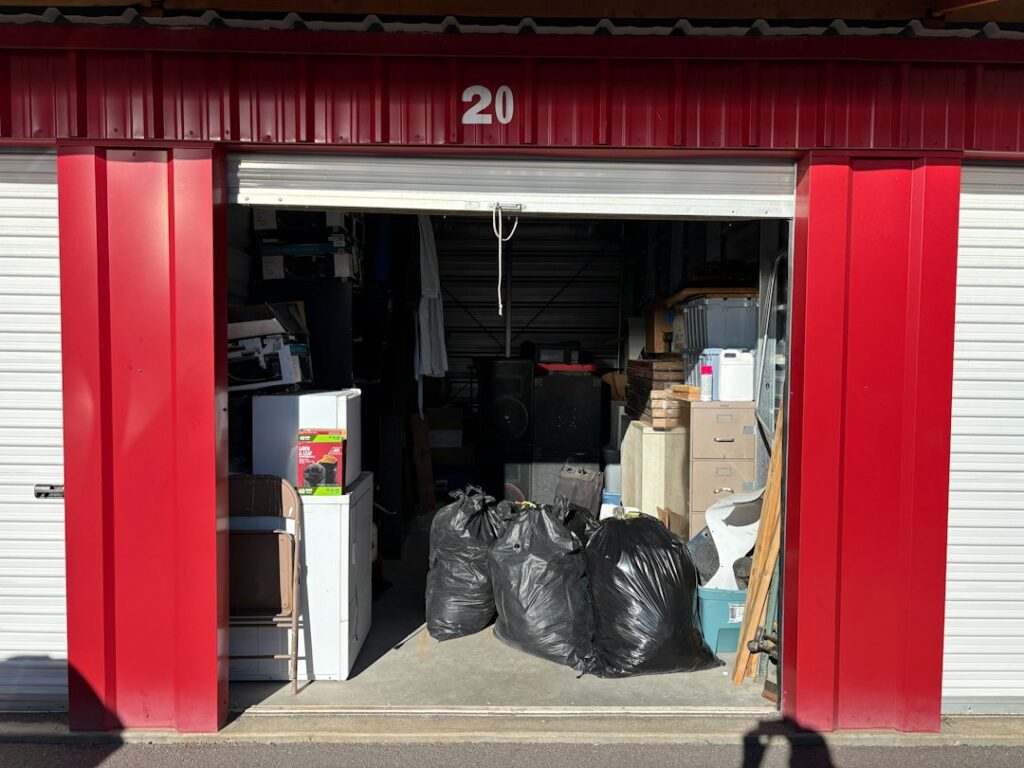
Decluttering can make a home easier to use without requiring residents to discard belongings they may need later. For households in Canandaigua, NY, self storage can provide temporary space during seasonal transitions, home projects, moves, family changes, or periods when a home simply feels overcrowded.
The key is to treat storage as part of an organized plan rather than a place to postpone decisions. A thoughtful process helps determine what should stay at home, what belongs in storage, and what is ready to be donated, recycled, sold, or discarded.
What should be done before moving anything into storage?
Begin by identifying the reason for decluttering and the amount of space that needs to be cleared. Storage works best when it solves a specific problem, such as creating a safer walkway, opening a spare room, protecting seasonal equipment, or making a home easier to prepare for renovation.
Walk through the home with a notebook or phone and record areas that feel crowded. Common trouble spots include:
- Basements filled with seasonal items
- Garages used for household overflow
- Spare bedrooms serving as general storage
- Closets containing clothing that is rarely worn
- Attics holding boxes that have not been opened in years
- Entryways crowded with coats, sports equipment, or outdoor gear
Take measurements of large items and estimate how many boxes will be needed. This prevents renting more space than necessary and makes packing more deliberate.
How should belongings be sorted?
Use clear categories before packing begins. A practical system includes:
- Keep at home
- Move to storage
- Donate or give away
- Sell
- Recycle
- Dispose of
- Decide later
The “decide later” category should be limited. It is useful for emotionally difficult items, but an oversized undecided pile can recreate the same clutter in another location.
Ask a few practical questions about each item:
- Has it been used within the past year?
- Is it difficult or expensive to replace?
- Does it serve a specific future purpose?
- Is it in good enough condition to keep?
- Would storing it cost more effort than its value justifies?
- Does another household member have a clear reason to use it?
Sentimental belongings deserve more patience. Instead of keeping every object, consider choosing a smaller collection that represents the memory. Photographs, letters, and small keepsakes can often be preserved without retaining every bulky item connected to an event or person.
What belongs in self storage?
Self storage is most useful for items that are needed occasionally but do not have to remain in daily living areas. Examples may include seasonal decorations, camping equipment, extra furniture, archived documents, household items kept during a move, and belongings being saved during a remodeling project.
In a community with cold winters, snow-related equipment and winter clothing may be used for only part of the year. Storing those items away from the main living areas can free up closets and entryways during warmer months. In summer, outdoor furniture, recreational equipment, and gardening supplies may be rotated into more accessible positions.
Avoid storing items that are hazardous, perishable, unusually fragile, or likely to cause damage if they leak or deteriorate. Food, wet materials, fuel, chemicals, and items with strong odors can attract pests or create unsafe conditions. Important legal records, irreplaceable photographs, medication, and valuables may also require more controlled protection than a typical storage environment provides.
How can storage prevent new clutter?
The most reliable approach is to create an inventory before packing. A simple spreadsheet or handwritten list can include:
- Box number
- General contents
- Room of origin
- Date packed
- Whether the box is seasonal or permanent
- Where the box is placed

Label every box on at least two sides. “Kitchen” is less useful than “Holiday dishes—open in November.” Specific labels reduce the need to open multiple boxes later.
Pack similar items together rather than combining unrelated belongings simply to fill a box. Keep frequently needed items near the front or along a clear path. Items that will not be needed for several months can go farther back.
Leave space between walls and stored belongings when possible. This improves visibility and makes it easier to check for moisture, pests, or damaged containers. Avoid creating unstable stacks, especially with heavy boxes placed above lighter ones.
What packing methods protect household belongings?
Use clean, dry containers and avoid packing items while they are damp. Moisture can become trapped inside boxes, blankets, furniture, and plastic containers, which may lead to mildew or unpleasant odors.
For furniture, clean surfaces before storage and allow them to dry completely. Cover upholstered pieces with breathable material rather than tightly sealing them in plastic. Plastic can trap condensation against fabric and wood.
Other useful practices include:
- Use sturdy boxes of similar sizes for safer stacking.
- Wrap dishes and glassware individually.
- Keep books in smaller boxes because they become heavy quickly.
- Remove batteries from devices that will sit unused.
- Photograph furniture and electronics before packing.
- Protect sharp edges and delicate surfaces with padding.
- Store documents in sealed containers elevated off the floor.
- Avoid overfilling boxes so lids close without pressure.
Mattresses and upholstered furniture should be kept clean and dry. If stored directly on a floor, they may be more vulnerable to moisture and dirt, so raised support is preferable when available.
How often should a storage unit be checked?
A storage unit should not be treated as completely out of sight and out of mind. Check it periodically, particularly after major seasonal changes or severe weather. A quick inspection can reveal leaking containers, damaged boxes, insect activity, or items that have shifted.
Residents in the area may also need to account for changing temperatures and winter conditions. Clothing, paper goods, wood furniture, and electronics benefit from stable, dry surroundings. If belongings are especially sensitive to temperature or humidity, confirm that the storage environment is appropriate before placing them there.
During each visit, update the inventory and remove items that are no longer useful. Decluttering is more successful when storage remains a temporary extension of the home rather than a permanent holding area for every unwanted object.
How can a household avoid storing too much?
Set a review date for stored belongings. Seasonal items can be reviewed twice a year, while furniture and boxes connected to a move or renovation can be reviewed once the project is complete.
A useful rule is that every stored item should have a reason, an owner, and an expected future use. If a box has remained unopened through several review periods, its contents may deserve another decision.
Keep a small amount of empty space at home and in storage. Completely filling every closet, basement corner, or storage area makes it difficult to retrieve anything and encourages more disorganized packing. Room to move is part of the value of decluttering.
For local households managing winter gear, family belongings, home repairs, or a change in housing, a measured storage plan can create breathing room without forcing rushed decisions. The goal is not simply to move possessions elsewhere. It is to make the home easier to live in while keeping only the belongings that have a clear purpose or lasting meaning.