

 See My Latest Article on HelloNation
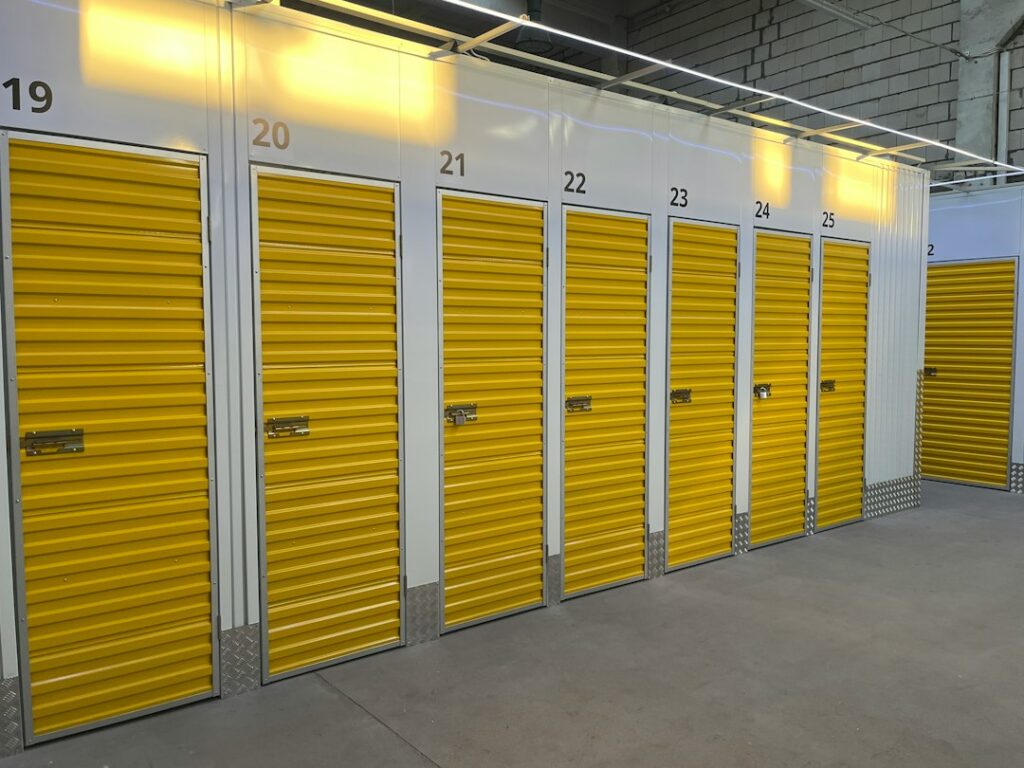
A storage unit stays cleaner when organization, moisture control, and routine checks are treated as part of storing—not as tasks saved for moving day. In Canandaigua, NY, seasonal changes, winter temperatures, spring dampness, and summer humidity can all affect stored belongings, especially when boxes are packed tightly or placed directly on the floor.
How often should a storage unit be cleaned?
A storage unit should receive a quick inspection every few weeks when possible and a more thorough check at least once each season. Frequent visits make it easier to spot moisture, pests, damaged containers, dust buildup, or items that have shifted.
A seasonal cleaning does not need to take long. The basic process is to:
- Open the unit and allow the air to circulate for a few minutes.
- Look along walls, corners, and the ceiling for signs of dampness or leaks.
- Check the floor beneath boxes and furniture.
- Remove loose dirt, leaves, and debris.
- Confirm that walkways and access points remain clear.
- Inspect cardboard boxes, fabric items, and wooden furniture for changes.
A quick inspection is especially useful after periods of heavy rain, freezing temperatures, or rapid weather changes.
What should go on the floor of a storage unit?
Stored belongings should be kept off the floor whenever possible. Plastic pallets, shelving, sturdy boards, or other stable platforms can create space beneath boxes and furniture, helping protect items from minor floor moisture and allowing air to move underneath them.
Avoid placing belongings directly against exterior walls. A small gap helps with ventilation and makes it easier to inspect for condensation or water intrusion. Leave enough room to walk around the unit rather than filling every open space.
This arrangement also reduces the chance that a small spill, melted snow brought in on footwear, or dampness near the entrance will reach boxes sitting on the floor. Items should remain stable, level, and fully supported. Improvised stacks that lean or place heavy weight on weak containers can create both damage and safety problems.
How can moisture and mildew be prevented?
Moisture prevention begins before items enter the unit. Everything should be clean and completely dry before storage. Damp rugs, garden equipment, clothing, and upholstered furniture can develop odors or mildew if sealed before they have dried thoroughly.
Useful habits include:
- Wiping dirt and moisture from furniture before storage.
- Allowing fabrics and carpets to dry fully.
- Leaving a little space between boxes instead of packing them tightly together.
- Using breathable covers for sofas, mattresses, and upholstered pieces.
- Avoiding airtight wrapping around wood or fabric unless the item is dry and the material is appropriate.
- Checking stored items after long periods of rain or humid weather.
Plastic containers can help protect against dust and minor moisture, but they do not solve every humidity problem. If wet belongings are sealed inside, the container may hold moisture in. Cardboard can absorb humidity, while plastic may limit airflow. Choosing the container based on the item matters more than using one material for everything.
Desiccant packets can be useful in enclosed containers, but they should not be treated as a substitute for dry items, proper ventilation, or regular inspections. They also need to be replaced when saturated.
What is the cleanest way to pack boxes?
The cleanest packing method is to use strong, uniform containers and label each one clearly. Similar-sized boxes are easier to stack safely and leave fewer unstable gaps.
Heavy items should go in smaller boxes so they can be lifted without strain. Lightweight belongings can be placed in larger containers. Books, tools, and small household equipment often become too heavy when packed together in large boxes.
Use labels on more than one side of each box so contents can be identified without moving the entire stack. A simple inventory stored on paper or digitally can also reduce unnecessary unpacking.
Avoid overfilling boxes. Bulging lids, crushed corners, and loose tape indicate that a container may not protect its contents well. Leave enough room for the box to close securely while keeping its shape.
For cleanliness, avoid storing food, opened toiletries, wet clothing, or anything that can attract insects or rodents. Even sealed food products may create problems if packaging is damaged or forgotten.
How should furniture and appliances be prepared?
Furniture should be cleaned, dried, and covered in a way that allows some airflow. Blankets or breathable furniture covers can reduce dust, while tightly sealed plastic may trap condensation against wood or fabric.

Wooden furniture benefits from being stored away from direct contact with walls and floors. Drawers can be left slightly open if this is safe and practical, allowing air circulation. However, drawers should not be used to support heavy objects placed on top.
Refrigerators, freezers, washers, and other appliances should be clean and completely dry before storage. Doors should be secured open or left slightly ajar when appropriate, with care taken to prevent them from swinging shut. Any removable parts should be dry and stored so they do not trap moisture.
Do not store fuel, propane cylinders, chemicals, paint, explosives, or other restricted or hazardous materials. Storage rules vary by facility, and hazardous items can create serious risks for nearby belongings and people.
How can a storage unit stay organized over time?
Keep items that may be needed soonest near the front, while long-term storage can go farther back. Create a narrow, stable walkway rather than placing boxes in a solid wall from floor to ceiling.
A practical layout may include:
- Frequently accessed items near the entrance.
- Heavier furniture positioned low and securely.
- Fragile containers away from areas where they may be bumped.
- Seasonal decorations grouped together and labeled.
- A visible inventory list attached near the entrance.
Avoid leaning loose boards, ladders, or long objects against the door. They can fall when the unit is opened. Stacks should remain below a height that makes lifting and reaching unsafe.
It is also useful to leave enough space to inspect the rear corners and walls. A unit that cannot be entered or examined is much harder to keep clean.
What seasonal issues should local residents watch for?
The community experiences cold winters, wet spring conditions, warm summers, and changing temperatures throughout the year. Those shifts can affect wood, metal, paper, fabrics, and electronics differently.
During winter, freezing temperatures may make some materials brittle. Avoid forcing stiff plastic containers or moving delicate items roughly when they are very cold. In spring, inspect for dampness after repeated rain and check cardboard boxes for soft spots.
Summer humidity can contribute to odors, condensation, and swelling in wood or paper products. In autumn, remove leaves and dirt from items before placing them into storage, particularly outdoor furniture, bicycles, tools, and seasonal equipment.
A climate-controlled environment may be appropriate for temperature-sensitive belongings such as photographs, musical instruments, electronics, artwork, documents, and certain wooden items. Even then, clean and dry packing remains necessary.
What should be done if mold, pests, or water damage is found?
If mold, insects, droppings, standing water, or significant damage appears, avoid spreading the problem by moving affected items throughout the unit. Isolate what can be safely isolated, document the condition with photographs, and notify the facility according to its established procedures.
Items with extensive mold or contamination may require specialized handling. Do not mix affected belongings with clean household goods, and avoid using household cleaners on delicate materials without checking whether they could cause further damage.
A clean storage unit is easier to maintain when it is dry, elevated, accessible, and checked regularly. Simple habits—cleaning items before storage, leaving room for airflow, using suitable containers, and inspecting the unit through the seasons—provide much more protection than packing tightly and forgetting about the contents.