

 See My Latest Article on HelloNation
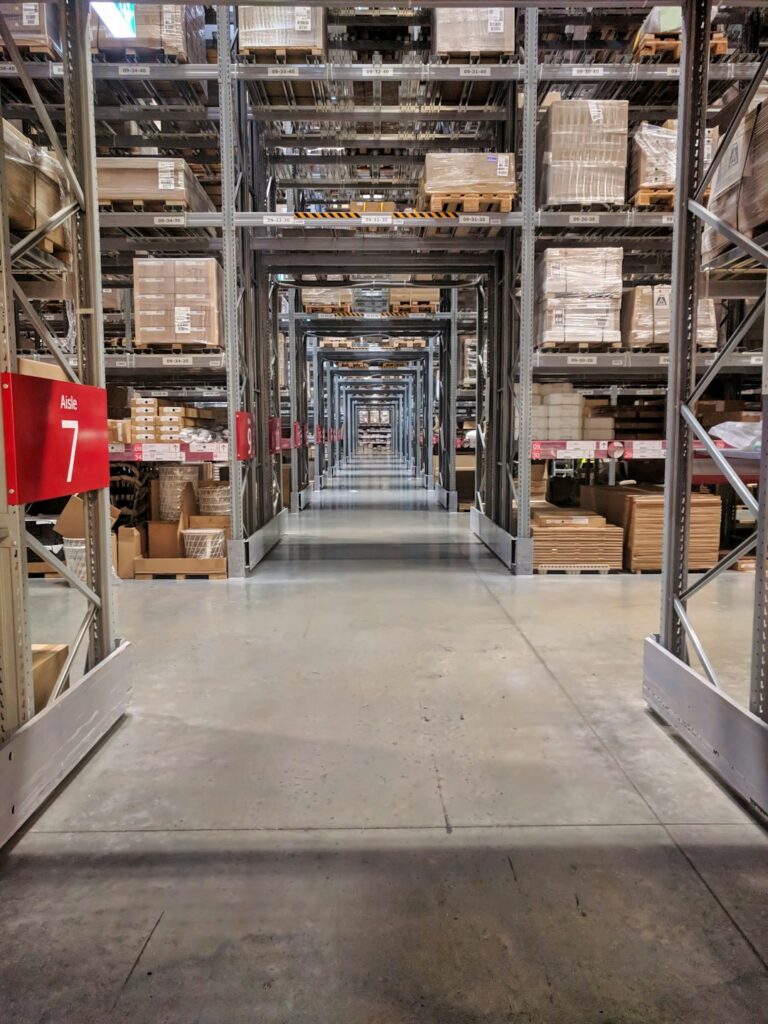
Climate-controlled storage is an enclosed storage environment where temperature and, in many facilities, humidity are managed more carefully than in a basic non-climate-controlled unit. The goal is not to make the space feel like a living room. It is to reduce the temperature swings and moisture exposure that can damage sensitive belongings over time.
For residents of Canandaigua, NY, this can be useful because stored items may experience cold winters, warm summers, changing humidity, and repeated seasonal transitions. Those conditions affect furniture, electronics, paper records, musical instruments, clothing, photographs, and other materials differently.
What does climate-controlled storage actually control?
Climate-controlled storage usually manages temperature within an enclosed building. Some facilities also monitor or regulate humidity, while others primarily provide temperature control and improved protection from outdoor conditions.
A climate-controlled building generally has:
- Insulated walls and ceilings
- Fewer direct openings to outdoor air
- Heating and cooling equipment
- Interior hallways or enclosed access areas
- More stable conditions than an exterior drive-up unit
The exact temperature and humidity range varies by facility. “Climate-controlled” does not necessarily mean that every unit stays at the same temperature or humidity level year-round. Before storing sensitive property, it is reasonable to ask what environmental conditions are monitored, whether humidity is controlled, and how the building is maintained during power interruptions or extreme weather.
How do temperature changes damage stored belongings?
Rapid or repeated temperature changes can cause materials to expand, contract, soften, warp, or become brittle. The damage may not be obvious at first. It can develop gradually during months of storage.
Wood furniture is especially sensitive to environmental changes. Wood absorbs and releases moisture from the surrounding air, which can lead to swelling, shrinking, cracked finishes, loose joints, or warped panels. Veneer and glued surfaces may also separate when conditions fluctuate.
Electronics can be affected when cold items are moved into a warm, humid environment. Condensation may form inside or on the surface of equipment. That moisture can contribute to corrosion or electrical damage if the item is powered on before it has warmed and dried completely.
Temperature stability can also help protect:
- Musical instruments
- Leather furniture and clothing
- Artwork and framed materials
- Vinyl records and other media
- Collectibles
- Mattresses and upholstered items
- Paper files and photographs
Climate control reduces these risks, but it cannot correct poor packing, existing moisture, leaks, or unsuitable storage practices.
Why does humidity matter?
Humidity is the amount of water vapor in the air. Excess moisture can encourage mold growth, rust, mildew odors, staining, swelling, and deterioration of paper or fabric. Very dry conditions can also affect wood, leather, adhesives, and some finishes.
Seasonal humidity changes are relevant in Canandaigua. Moisture can enter storage areas through outdoor air, wet belongings, snow-covered items, condensation, or building openings. A climate-controlled building may limit these changes, but the result depends on the facility’s design and maintenance.
Humidity-sensitive belongings should be clean and completely dry before storage. Covering damp furniture with plastic can trap moisture against the surface. For many items, breathable furniture covers are safer than tightly sealed plastic wrapping.
Which belongings benefit most from this type of storage?
Climate-controlled storage is generally more appropriate for items that are sensitive to temperature, moisture, or long periods of environmental fluctuation.
Examples include:
- Solid wood, antique, or heirloom furniture
- Upholstered furniture and leather goods
- Electronics and appliances
- Computers, cameras, and audio equipment
- Important documents and family photographs
- Books, artwork, and musical instruments
- Clothing, shoes, and fabric goods
- Collectibles, antiques, and memorabilia
- Mattresses and other porous household items
Not every possession requires climate control. Outdoor equipment, empty plastic containers, metal shelving, tools, and certain durable household goods may tolerate a standard unit if they are clean, dry, and properly protected.
The decision depends on the item’s material, value, replacement difficulty, storage duration, and tolerance for temperature and humidity changes.
Is climate-controlled storage the same as indoor storage?
No. Indoor storage describes where the unit is located, while climate control describes how the environment is managed.
An indoor unit may be inside a building but still experience broad temperature or humidity changes. A climate-controlled unit is designed to provide more stable conditions, though the level of control varies.
Access arrangements also differ. Some indoor facilities use enclosed hallways, while others have loading areas, elevators, carts, or limited vehicle access. These details affect convenience but do not, by themselves, determine how well the space controls the environment.
How should belongings be prepared?

Preparation matters as much as the storage environment. Items placed into storage should be clean, dry, and packed so that air can circulate.
Useful practices include:
- Clean and dry furniture before covering it.
- Leave space between stored items and walls when possible.
- Use sturdy boxes for books, documents, and household goods.
- Avoid placing boxes directly on the floor if pallets or shelving are available.
- Do not overpack containers, especially with paper or fabric.
- Use breathable covers for furniture rather than sealing damp items in plastic.
- Keep food, plants, wet materials, and perishable items out of storage.
- Label boxes clearly so they do not need to be opened repeatedly.
- Avoid leaning heavy objects against delicate furniture or framed materials.
Cardboard boxes can absorb moisture, while sealed plastic containers can trap moisture that was already present inside. Neither option is automatically best for every item. The contents and their condition should guide the choice.
What should not be placed in climate-controlled storage?
Climate control does not make a storage unit suitable for hazardous or prohibited materials. Commonly unsuitable items include gasoline, propane cylinders, chemicals, paint, explosives, flammable liquids, perishable food, live plants, and wet materials.
Items with fuel or oil should be handled according to applicable safety rules and facility policies. Refrigerators and freezers should be emptied, cleaned, dried, and left open for ventilation before storage.
A climate-controlled unit also should not be treated as a substitute for a secure archive. Valuable documents may still need duplicate copies, digital backups, fire-resistant protection, or insurance coverage.
Does climate control prevent mold, rust, or damage completely?
No. It lowers environmental risk but does not guarantee that belongings will remain undamaged.
Mold can develop if an item enters storage wet, if moisture is trapped inside a container, or if a leak or building problem occurs. Rust can continue on metal that was already damp or exposed to corrosion. Pests, careless stacking, poor ventilation, and handling damage are separate concerns.
Before storing belongings, inspect them for existing moisture, stains, odors, insects, and corrosion. Check sensitive items periodically when practical, particularly after long storage periods or major seasonal changes.
How can residents compare storage conditions?
Ask specific questions rather than relying on the label alone:
- Is the building heated and cooled year-round?
- Is humidity measured or actively controlled?
- Are units located inside enclosed hallways?
- How are leaks, condensation, and water intrusion addressed?
- Are there procedures for power outages or equipment failures?
- Are there restrictions on shelving, coverings, or containers?
- What access conditions apply during winter weather?
For items with sentimental, financial, or historical value, environmental stability is only one part of the decision. Proper preparation, careful packing, periodic inspection, and appropriate insurance or documentation also help preserve belongings through the seasons.